
CBN: ₦4.65trn bank recapitalisation must drive productive lending
By Abiodun Folarin

The Central Bank of Nigeria (CBN) has said the narrowing gap between the official and parallel foreign exchange markets, alongside other macroeconomic improvements, signals greater stability in the financial system, but warned that banks must now convert stronger balance sheets into productive lending.
The CBN said the average gap between the official and parallel exchange rates, which stood at 68.2 per cent between January and May 2023, had fallen to less than two per cent, providing businesses with a more reliable basis for pricing, investment and financial planning.
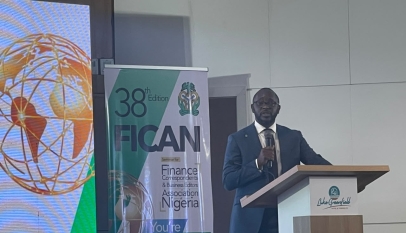
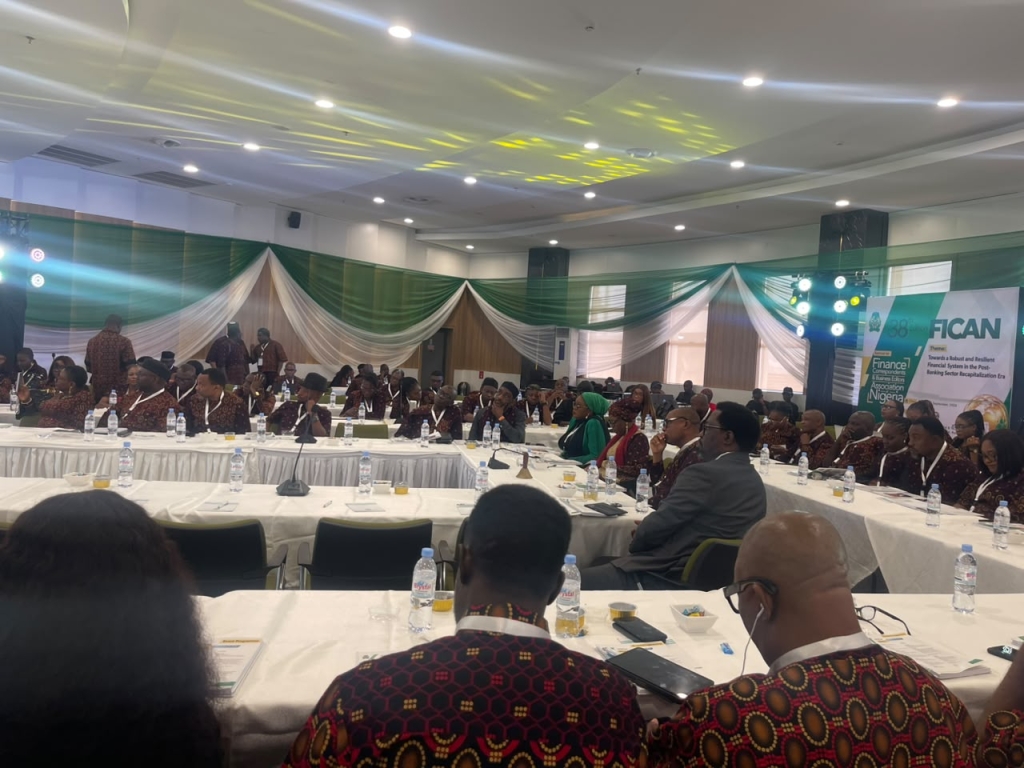
The Deputy Governor, Corporate Services, CBN, Dr. Muhammad Sani Abdullahi, disclosed this on Tuesday at the 38th Seminar for Finance Correspondents and Business Editors organised by the Finance Correspondents Association of Nigeria (FICAN).
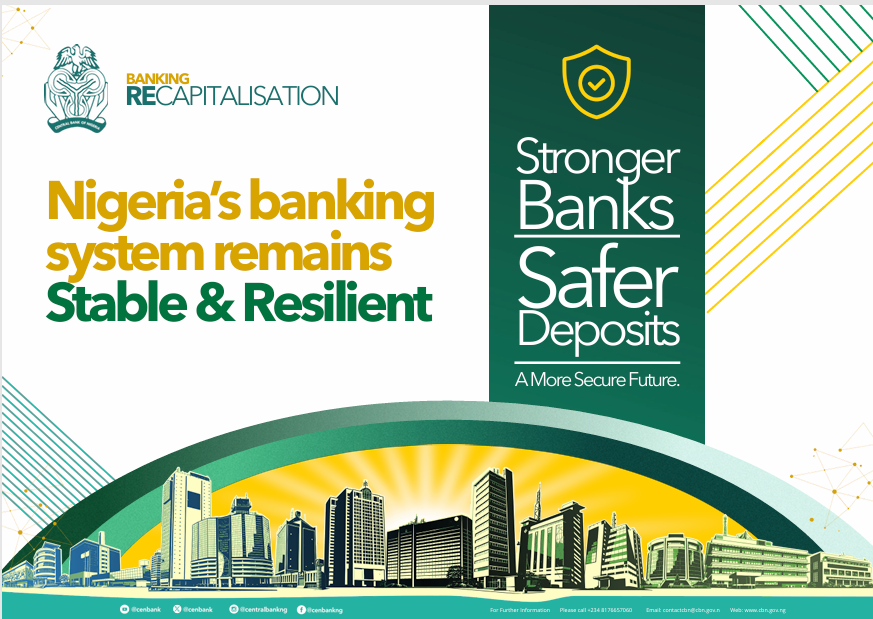
Abdullahi said the ₦4.65 trillion raised by 33 banks under the ongoing banking sector recapitalisation programme had strengthened the capacity of the banking industry to meet the growing financing needs of the Nigerian economy.
However, he stressed that the success of the recapitalisation should not be measured by the amount of capital raised alone, but by its impact on productive sectors of the economy.
“Capital, however, is a starting point,”
Abdullahi said, urging bank boards and management to maintain sound controls, identify risks early and lend based on viable projects.
He said the stronger capital base should position banks to finance long-term infrastructure, industrial expansion and international trade, particularly as Nigeria pursues its ambition of building a $1 trillion economy by 2030.
The deputy governor also urged banks to extend the benefits of recapitalisation beyond large corporations to rural communities, women, young entrepreneurs, small businesses and households through wider access to finance and dependable payment services.
He said consumer protection and financial inclusion must remain central to the resilience of the financial system.
Abdullahi, however, warned that increased capital alone could not guarantee financial stability, stressing the need for stronger governance and risk-management systems to address credit, market, liquidity and operational risks, as well as cybersecurity, third-party dependencies and climate-related financial risks.
He said the CBN would continue to strengthen risk-based supervision, macroprudential surveillance and stress testing, with particular attention to governance, asset quality, liquidity and large exposures.
According to him, the recapitalisation is part of wider reforms implemented by the CBN since 2023 to restore stability and confidence in the financial system.
He said gross external reserves stood at $55.60 billion as of September 11, 2026, while headline inflation had moderated from its peak of 34.8 per cent in December 2024 to 15.43 per cent in July 2026.
Real GDP growth, he added, reached 4.43 per cent in the second quarter of 2026.
Abdullahi, however, cautioned against interpreting the improving macroeconomic indicators as an end to the pressures facing households and businesses.
He said sustaining the gains would require disciplined supervision, responsible banking and continued attention to the needs of Nigerians and businesses that depend on the financial system.
The CBN deputy governor also charged the financial media to sustain accurate and objective reporting that would help Nigerians, investors and businesses better understand developments in the financial sector.