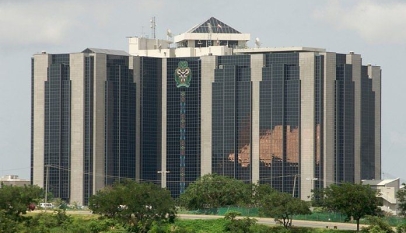

CBN Keeps MPR at 27% as MPC Bets on Sustained Disinflation, Stronger Economic Outlook
Abiodun Folarin

The Central Bank of Nigeria (CBN) has kept the Monetary Policy Rate (MPR) unchanged at 27 percent, adopting a cautious stance as policymakers look to consolidate the gains of earlier tightening measures and support a steadily improving macroeconomic environment.
The decision followed the 303rd meeting of the Monetary Policy Committee (MPC), held on November 24–25, 2025. In a communiqué issued on November 25, the Committee said the choice to maintain the rate despite seven months of consecutive disinflation was guided by the need to ensure previous policies fully transmit through the economy.
Alongside the retained MPR, the MPC adjusted the Standing Facility corridor to +50/-450 basis points and kept all other parameters unchanged. The Cash Reserve Requirement (CRR) remains at 45 percent for Deposit Money Banks, 16 percent for merchant banks, and 75 percent for non-TSA public sector deposits. The liquidity ratio stays at 30 percent.
Analysts Say Decision Reflects Caution Despite Positive Indicators
Market analysts who had anticipated a hold described the decision as prudent.
Professor Uche Uwaleke, President of the Capital Market Academics of Nigeria, said the Committee opted for caution even as inflation data continued to improve.
Despite the positive trend, analysts noted the high interest environment could dampen sentiments in the equities market, as borrowing costs remain elevated.
Disinflation Trend Continues for Seventh Month
The CBN reported that Nigeria’s headline inflation fell to 16.05 percent in October from 18.02 percent in September marking the seventh consecutive month of decline and a sharp drop from 23.71 percent recorded in April.
Food inflation declined significantly from 16.87 percent to 13.12 percent, a development attributed to improved domestic food supply, a more stable exchange rate, and favourable base effects. Core inflation also eased to 18.69 percent, driven by lower prices in furnishing and household maintenance items.
The MPC cited a combination of earlier tightening measures, increased capital inflows, stable fuel supply, and an improved current account balance as key contributors.
Fuel prices, which have hovered between N900 and N1,500 per litre since the 2023 subsidy removal, have remained relatively stable due to improved local refining output. Dangote Refinery alone supplied nearly 2 billion litres of PMS in 2025, producing about 70 million litres daily.
Growth Outlook Strengthens on Key Macroeconomic Gains
Nigeria’s economic performance also showed encouraging signs. GDP grew by 4.23 percent in Q2 2025, up from 3.13 percent in Q1.
The Purchasing Manager’s Index (PMI) rose to 56.4 points in November its highest level in five years indicating stronger business confidence.
External reserves increased by 9.19 percent, reaching $46.70 billion as of November 14, providing 10.3 months of import cover, up from $42.77 billion in September.
The MPC said stronger reserves, exchange rate stability, improved capital flows, and Nigeria’s removal from the FATF grey list have boosted investor confidence. Rating agencies have responded positively, upgrading Nigeria’s sovereign outlook.
Banking Sector Stays Strong as Recapitalisation Advances
The Committee expressed satisfaction with the banking system’s resilience, noting that financial soundness indicators remain within regulatory thresholds.
It also reported strong progress in the ongoing recapitalisation programme 16 banks are already fully compliant, and the CBN confirmed that 27 banks have approached the capital market to raise funds toward meeting the N10.5 trillion capital requirement.
Global Environment Stable but Vulnerable
Globally, the MPC expects output to gradually recover as geopolitical tensions ease and major economies adopt more accommodative monetary positions. However, risks remain from rising protectionism to renewed U.S. trade tensions which could disrupt global trade flows.
Worldwide inflation is projected to continue easing through 2026, though likely to remain above pre-pandemic levels.
Near-Term Forecast: CBN Expecting Continued Disinflation
Looking ahead, the MPC said it expects disinflation to persist in the near term, driven by the lagged effect of successive rate hikes, continued FX market stability, and seasonal harvests that will boost food supply.
However, the Committee emphasized that inflation at double digits remains too high and requires sustained policy vigilance.