
ECOWAS Parliament Pushes for Full Implementation of Renewable Energy Policy
By Abiodun Folarin

The ECOWAS Parliament has called for the effective implementation of the ECOWAS Renewable Energy Policy, warning that renewable energy still accounts for less than 20 per cent of West Africa’s total energy mix despite the region’s vast solar and wind resources.
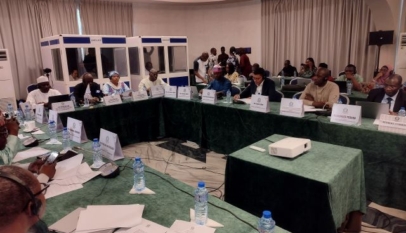
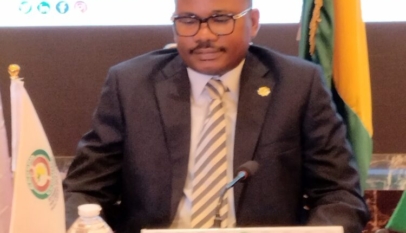
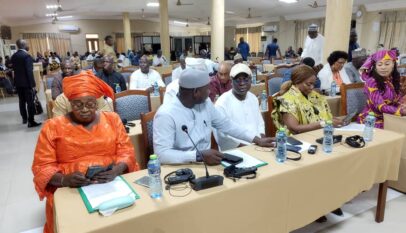
The Speaker of the ECOWAS Parliament, Hadja Memounatou Ibrahima, made the call on Monday at the opening of a five-day delocalised joint committee meeting on energy and electricity in Dakar, Senegal.
Represented by the Parliament’s Fourth Deputy Speaker, Billay Tunkara, Ibrahima said renewable energy should be viewed not only as a solution to electricity shortages but also as a catalyst for economic transformation, particularly in rural communities.
She noted that access to reliable and clean energy can stimulate local processing of agricultural products, reduce post-harvest losses, improve preservation of perishable goods and support irrigation systems. According to her, it also encourages the growth of small businesses, handicrafts and digital services in rural areas.
“By reducing dependence on expensive and polluting energy sources, renewable energy directly contributes to increasing household incomes and reducing poverty,” she said.
The Speaker stressed that energy policies across the region must integrate local economic development goals and prioritise the elimination of energy poverty.
She identified financing constraints, technology transfer and local ownership as some of the major obstacles slowing the expansion of renewable energy across West Africa.
According to her, inadequate electricity distribution infrastructure in rural communities continues to limit access to clean energy, making it necessary to adopt innovative financing mechanisms such as regional green funds and decentralised mini-grid systems.
Ibrahima also underscored the need for greater investment in technical training, local maintenance capacity and the adaptation of renewable energy technologies to local conditions.
She said stronger South-South cooperation and partnerships with centres of excellence would help accelerate skills development and technology transfer across the sub-region.
“It is no longer simply a matter of importing solutions, but of building our own solutions,” she stated.
Highlighting the employment potential of the sector, the ECOWAS Parliament Speaker said renewable energy development could create significant job opportunities for young people across the value chain, from solar panel installation and component manufacturing to microgrid management.
She noted that every megawatt of renewable energy installed in rural areas has the potential to generate three times more local jobs than fossil fuel-based energy projects.
Ibrahima therefore urged governments and stakeholders to promote rural energy entrepreneurship by improving access to credit for cooperatives and local start-ups operating in the renewable energy sector.
She further called for stronger compliance with national and regional energy commitments, stressing the importance of implementing the ECOWAS Renewable Energy and Energy Efficiency Policy.
“Legislative and budgetary oversight must remain a tangible expression of our parliamentary commitment to this cause,” she said.
In his remark, the Co-Chair of the Joint Committee, energy and mines Hon. Fanta Conte, said the challenge of inadequate electricity, is not only technical, but also political, financial, and behavioral.
“Our mission comes at a time marked by a worrying imbalance between energy supply and demand in the ECOWAS region. Less than 40% of the rural population has access to electricity. In some of our Member States, this rate falls below 10% in the most remote
Conte, however emphasised the lack of information and training for rural populations, local authorities, and artisans regarding the benefits and maintenance of renewable energy equipment is a major obstacle.
He said, “we will advocate for targeted public education campaigns, the training of village technicians specializing in solar energy, and the integration of renewable energy into the curricula of agricultural vocational training
“The objective of our mission is clear: to enable members of parliament to interact with all key stakeholders in the renewable energy ecosystem – from policymakers to mini-grid operators, including farmers’ organizations and financial institutions.