
CBN digitalises fiscal data collection across 36 states, 774 LGAs
By Abiodun Folarin

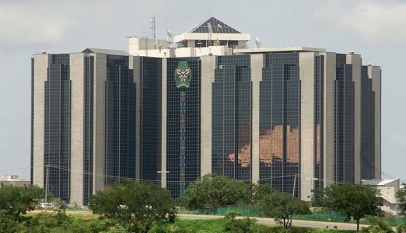
The Central Bank of Nigeria (CBN), has intensified efforts to strengthen Nigeria’s economic data architecture through the digitalisation of its Sub-National Fiscal Survey across the 36 states, the Federal Capital Territory (FCT) and 774 Local Government Areas (LGAs).
The initiative is designed to replace the largely manual reporting system with a digital platform to improve the timeliness, accuracy, consistency and reliability of fiscal data for monetary, fiscal and broader economic policy decisions.
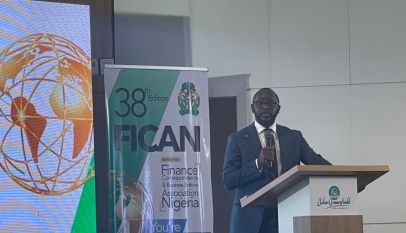
Speaking at a recent Sub-National Fiscal Statistics Stakeholders’ Engagement in Abeokuta, Ogun State, the Director of the CBN Statistics Department, Dr Usman Moses Okpanachi, said the initiative would strengthen the information chain linking fiscal transactions across Ministries, Departments and Agencies (MDAs) and local governments to evidence-based policymaking.
Okpanachi said reliable fiscal statistics were critical to effective economic management, enabling governments to assess revenue performance, expenditure patterns, financing requirements and fiscal pressures.
He explained that accurate fiscal information also provides policymakers with a clearer understanding of public-sector activities and their implications for aggregate demand, liquidity, borrowing conditions and inflation.
According to him, timely and reliable data have become increasingly important as the CBN strengthens its forward-looking, data-dependent monetary policy framework and transitions towards a more explicit inflation-targeting regime.
He noted that the existing twice-yearly manual Sub-National Fiscal Survey faced challenges relating to timeliness, logistics, data validation and processing, making digitalisation necessary to improve efficiency and sustainability.
The CBN director said the new platform would standardise data entry, improve validation, simplify submissions, strengthen monitoring and provide traceable correction procedures, while supporting a transition to more frequent quarterly reporting.
He stressed that technology would complement rather than replace sound record-keeping, proper reconciliation and professional judgement.
Okpanachi urged state and local governments to ensure prompt data submission, proper validation and reconciliation, as well as the appointment of designated focal officers to guarantee institutional continuity.
He said the success of the initiative would be measured by improved completeness and consistency of returns, faster submissions, stronger validation and the availability of better fiscal information for decision-making.
The CBN assured stakeholders of continued technical and operational support through its branches and Statistics Department.
The nationwide engagement commenced on October 26, 2026, and is expected to cover the remaining states by December 4, while the FCT is scheduled for December 9 and 10.
The practical sessions are designed to equip state and local government fiscal officers with the skills to operate the digital questionnaire, understand validation requirements and undertake submission and correction procedures.
As of November 6, 2026, the exercise had covered 16 states and their local governments, with strong government support and attendance reaching 100 per cent in almost all the states visited.
Following the engagement, trained officers are expected to transfer the knowledge acquired to other personnel within their institutions and commence submissions through the digital platform.
The Statistics Department will subsequently consolidate the implementation outcomes into a national report.
The initiative forms part of the CBN’s broader data architecture and transformation agenda, with expected benefits for sub-national planning, budgeting and policy evaluation, as well as more timely and reliable information for monetary, financial and fiscal policymaking.