INEC: Atiku’s 2027 Presidential Ambition Depends on Court Ruling – Amupitan
By Abiodun Folarin

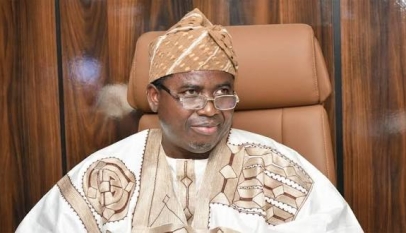
The Chairman of the Independent National Electoral Commission (INEC), Joash Amupitan, has said the commission will comply with any final court decision on whether former Vice-President Atiku Abubakar can contest the 2027 presidential election on the platform of the African Democratic Congress (ADC).
Amupitan said INEC would respect the rule of law, including a Supreme Court judgment that could affect Atiku’s eligibility to participate in the election, regardless of the political implications.
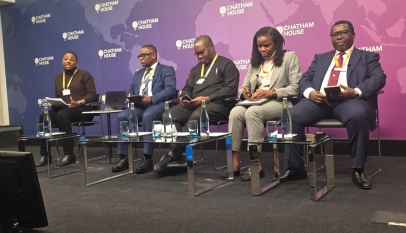
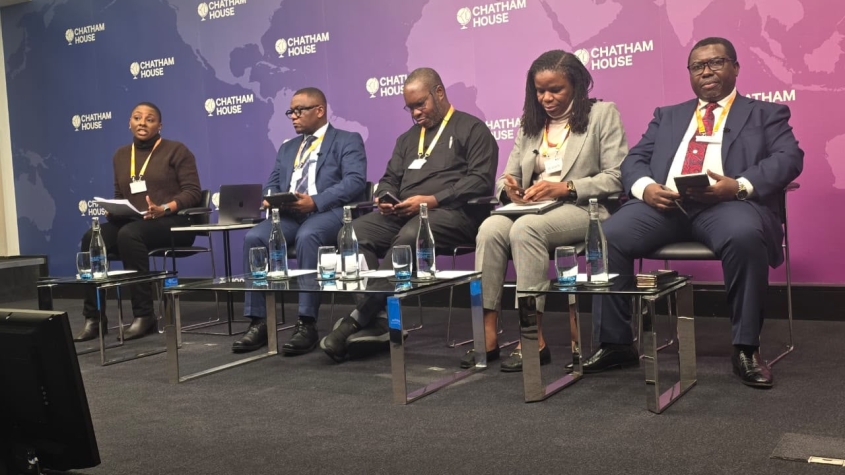
The INEC chairman spoke on Thursday during an engagement at Chatham House in London, where he was asked whether the commission would allow Atiku to contest if he failed to overturn a recent Federal High Court judgment affecting the ADC leadership and the process that produced him as the party’s presidential candidate.
Responding, Amupitan said the commission was constitutionally bound to obey court orders, particularly decisions of the Supreme Court.
“If it travels through the courts and, as you said, he eventually fails, well, I’m obligated under Section 285 of the Constitution of Nigeria to obey every court order, especially if it is from the Supreme Court,” he said.
He, however, expressed concern over the complications electoral litigation creates for INEC, noting that the commission often becomes the target of public criticism when implementing judicial decisions.
“But the danger is that whenever there’s such a decision, and it’s you who now has to implement it, you become the problem.
“The problem now is transferred to you. But that is the position of the law,” he added.
The controversy follows a recent judgment by Justice Peter Lifu of the Federal High Court in Abuja, which reportedly sacked the David Mark-led ADC caretaker committee and nullified its decisions, including the process that produced Atiku as the party’s presidential candidate.
The development has raised questions about the former vice-president’s political future ahead of the 2027 general election, particularly if the judgment is upheld by higher courts.
Amupitan also disclosed that INEC was currently handling more than 300 court cases, despite having approximately 66 days left before the 2027 election.
He said the volume of litigation was creating additional pressure on the commission as it intensifies preparations for the polls, particularly the procurement of sensitive electoral materials.
The INEC chairman reiterated his position that pre-election disputes should be resolved at least six months to one year before general elections to prevent prolonged litigation from disrupting electoral preparations.
“I had advocated in several forums that election matters, pre-election matters rather, should be at least a year before the election. Or let’s say six months,” he said.
According to him, resolving such disputes early would allow INEC to concentrate on logistics, procurement and other critical preparations.
“So that we can face our logistics. Now we have gone into serious procurement of the most sensitive materials. So that’s a very big issue for us,” Amupitan said.